Written by
Dr. Arslan ManzoorDHA Licensed Specialist Dentist, Oral Maxillofacial Surgeon, Implantologist
In this guide (13 sections)
- What Are Dental Implants and How Do They Work?
- Why Consider Dental Implants?
- Dental Implant Treatments Available at Noor Al Salam Polyclinic
- Have You Been Told That You Cannot Have Dental Implants Because of Bone Loss?
- Who Is a Suitable Candidate for Dental Implants?
- What Happens During Dental Implant Treatment?
- How Long Does Dental Implant Treatment Take?
- Is Dental Implant Surgery Safe?
- Dental Implants vs Dental Bridges vs Dentures
- How Much Do Dental Implants Cost in Al Nahda, Dubai?
- Maintaining Your Dental Implants After Treatment
- Frequently Asked Questions – Dental Implants in Dubai
- Looking for Dental Implants Near You in Al Nahda, Dubai?
Restore missing teeth, improve chewing and rediscover your smile at Noor Al Salam Polyclinic.
Missing teeth can affect your ability to eat comfortably, speak clearly and smile confidently. Whether you have lost a tooth recently or have been living with missing teeth for several years, modern dental implant treatment may offer an effective way to restore your smile.
At Noor Al Salam Polyclinic, Al Nahda 2, Dubai, we provide dental implant consultations and treatment planning for patients requiring single-tooth replacement, multiple dental implants and comprehensive implant-supported rehabilitation.
Our approach focuses on understanding each patient's dental condition, assessing the available jawbone and selecting an appropriate tooth replacement solution.
If you are searching for dental implants in Al Nahda or the surrounding areas of Dubai, Noor Al Salam Polyclinic can help you explore your treatment options.
What Are Dental Implants and How Do They Work?
Dental implants are artificial tooth roots, usually manufactured from biocompatible titanium, which are placed into the jawbone to support replacement teeth.
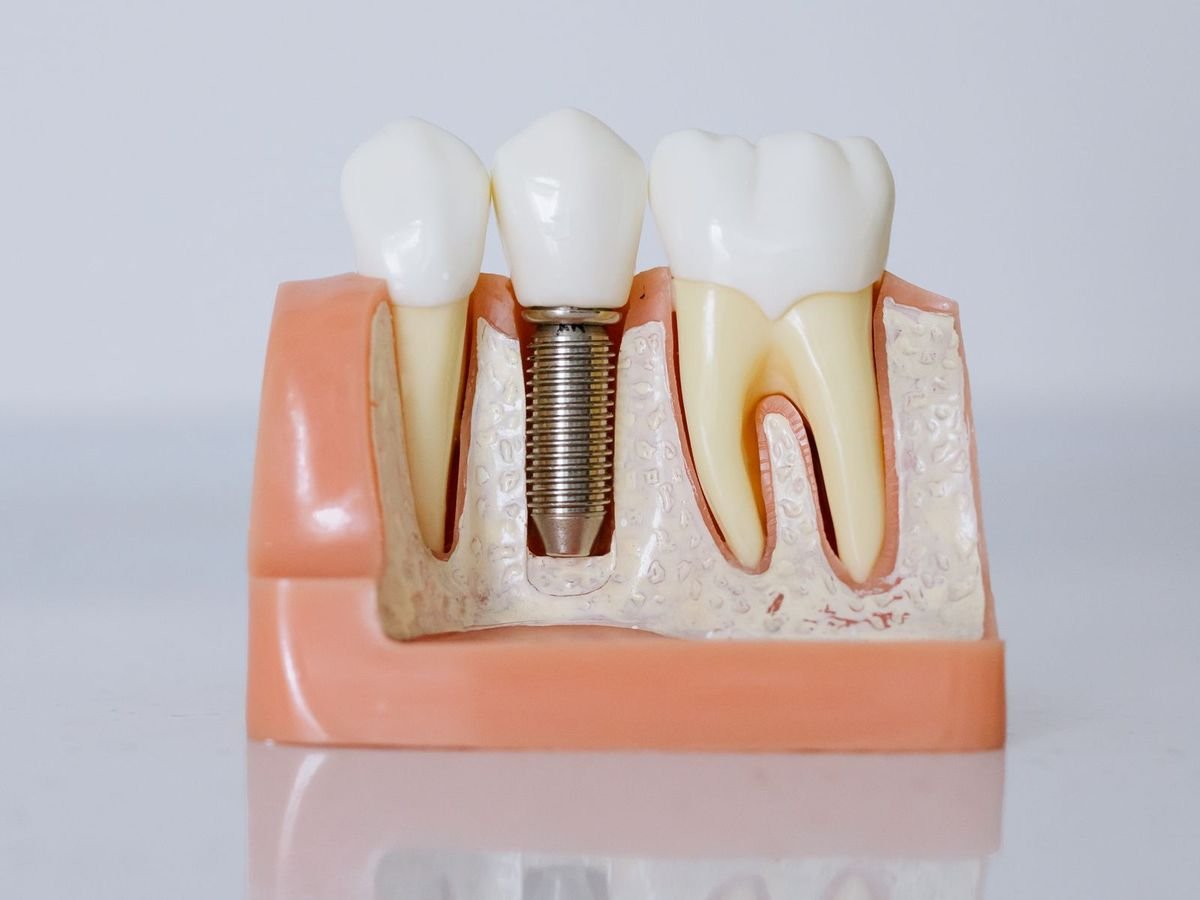
After placement, the implant undergoes a biological healing process called osseointegration, during which the surrounding bone integrates with the implant surface.
Once adequately integrated, the implant can support:
- A single dental crown.
- A bridge replacing multiple missing teeth.
- A fixed full-arch dental prosthesis.
- An implant-supported removable denture.
Dental implants are designed to restore both the appearance and function of missing teeth.
Unlike traditional dental bridges, individual dental implants can often replace missing teeth without requiring adjacent healthy teeth to be prepared.
Why Consider Dental Implants?
Living with missing teeth can have several consequences beyond cosmetic concerns.
Over time, missing teeth can affect chewing efficiency, allow neighbouring teeth to shift and contribute to changes in the jawbone.
Dental implants can help address these concerns.
Key advantages include:
- Replacement of missing teeth with natural-looking restorations.
- Improved stability when eating and speaking.
- Support for chewing function.
- Reduced reliance on removable dentures.
- Replacement of teeth without necessarily involving neighbouring healthy teeth.
- Help in maintaining the functional loading of the jawbone.
- A long-term tooth replacement option with appropriate maintenance.
The benefits must always be considered alongside the individual risks and suitability of treatment.
Dental Implant Treatments Available at Noor Al Salam Polyclinic
 1
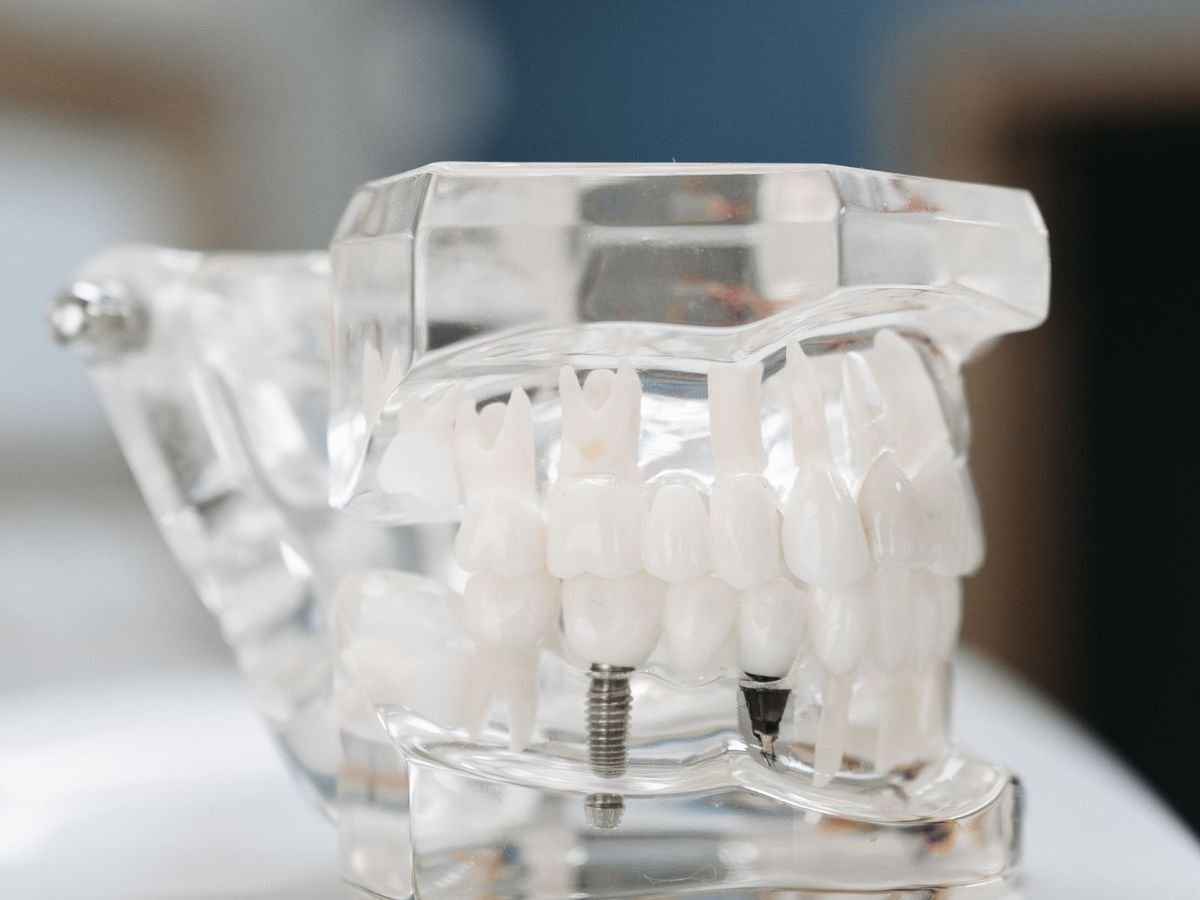
Single Tooth Dental Implants
Losing even one tooth can affect your smile and bite.
A single dental implant can replace the missing tooth with an implant-supported crown designed to match the surrounding teeth.
This treatment is often considered when a tooth has been lost because of:
- Extensive tooth decay.
- Dental trauma or accidental injury.
- Advanced infection.
- Severe structural damage.
- Previous tooth extraction.
The aim is to restore the missing tooth while preserving the surrounding natural teeth wherever possible.
 2
Multiple Tooth Dental Implants
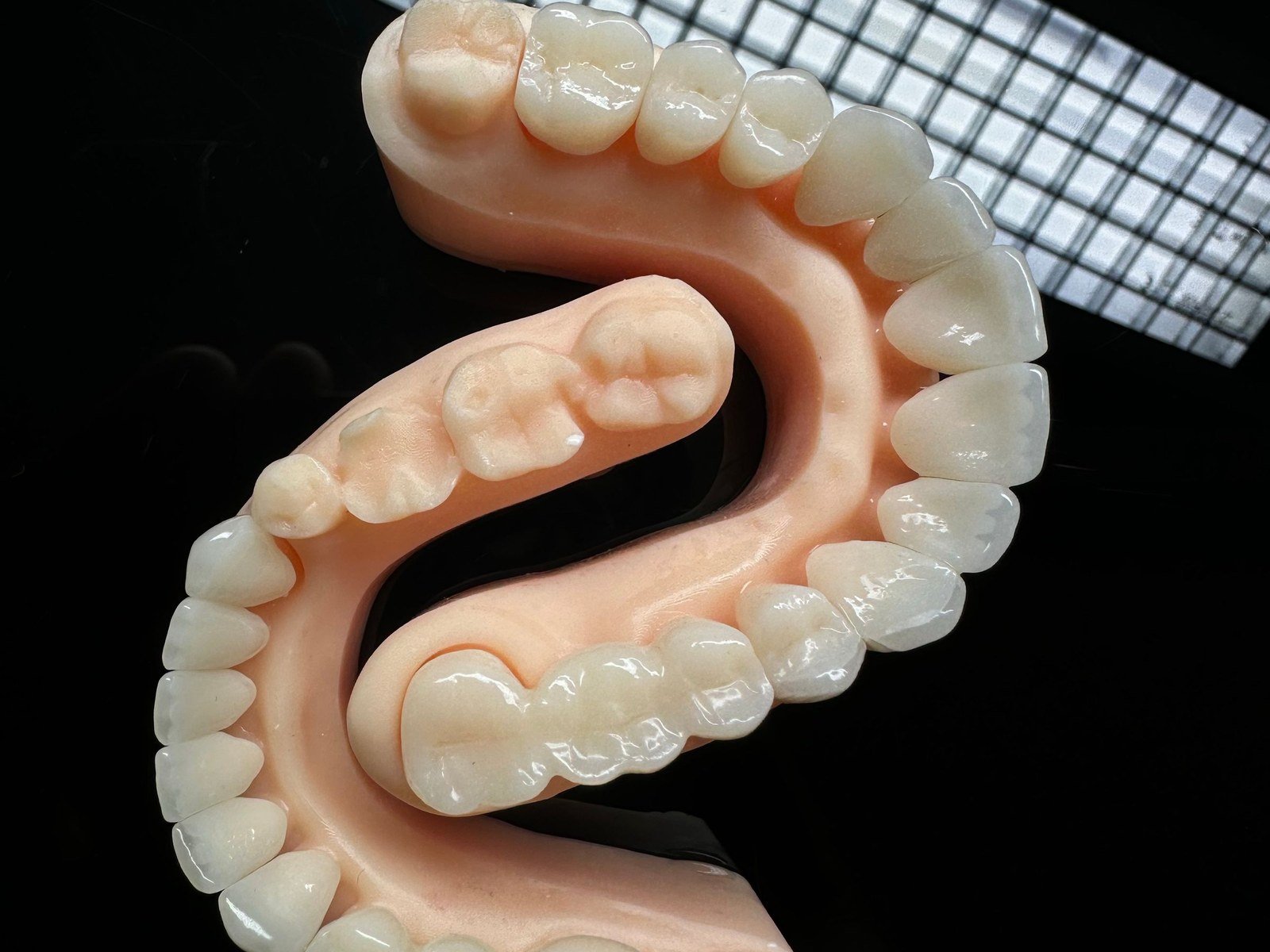
Patients missing several teeth may benefit from multiple implants supporting individual crowns or a dental bridge.
The number of implants required depends on the distribution of missing teeth, available bone and the proposed prosthetic design.
A well-planned implant restoration can help restore chewing function and provide a stable alternative to conventional removable partial dentures.
 3
Full Mouth Dental Implants
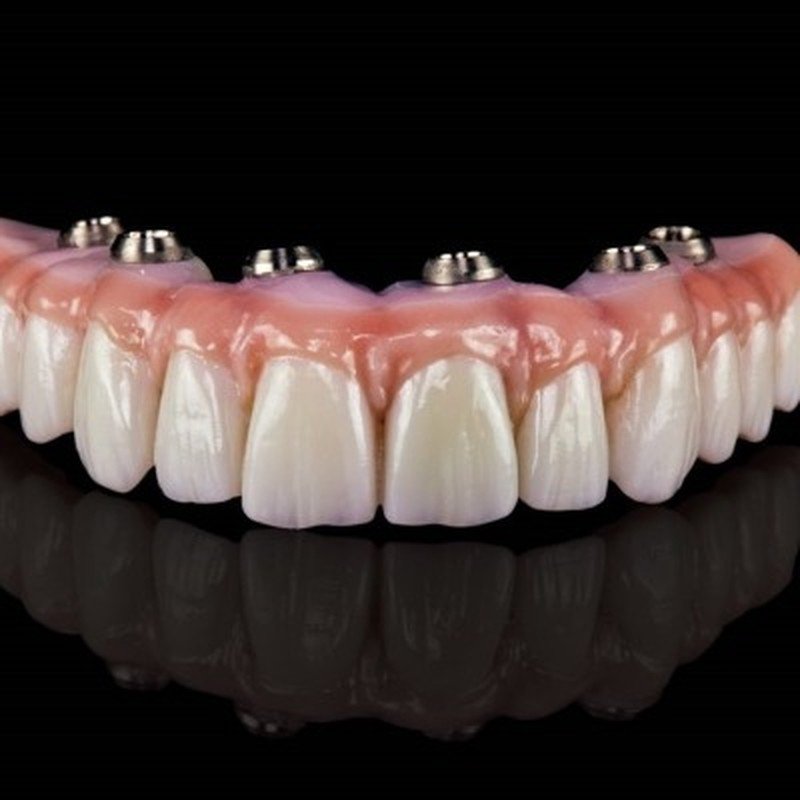
For patients who have lost most or all of their natural teeth, full-mouth implant rehabilitation may provide an opportunity to restore an entire dental arch.
Rather than replacing every missing tooth individually, strategically positioned implants may support a complete set of replacement teeth.
Treatment options may include:
- Fixed full-arch implant-supported bridges.
- Implant-supported removable dentures.
- Selected four-implant or six-implant full-arch treatment designs.
The choice depends on the patient's jawbone anatomy, bite, general health and prosthetic requirements.
 4
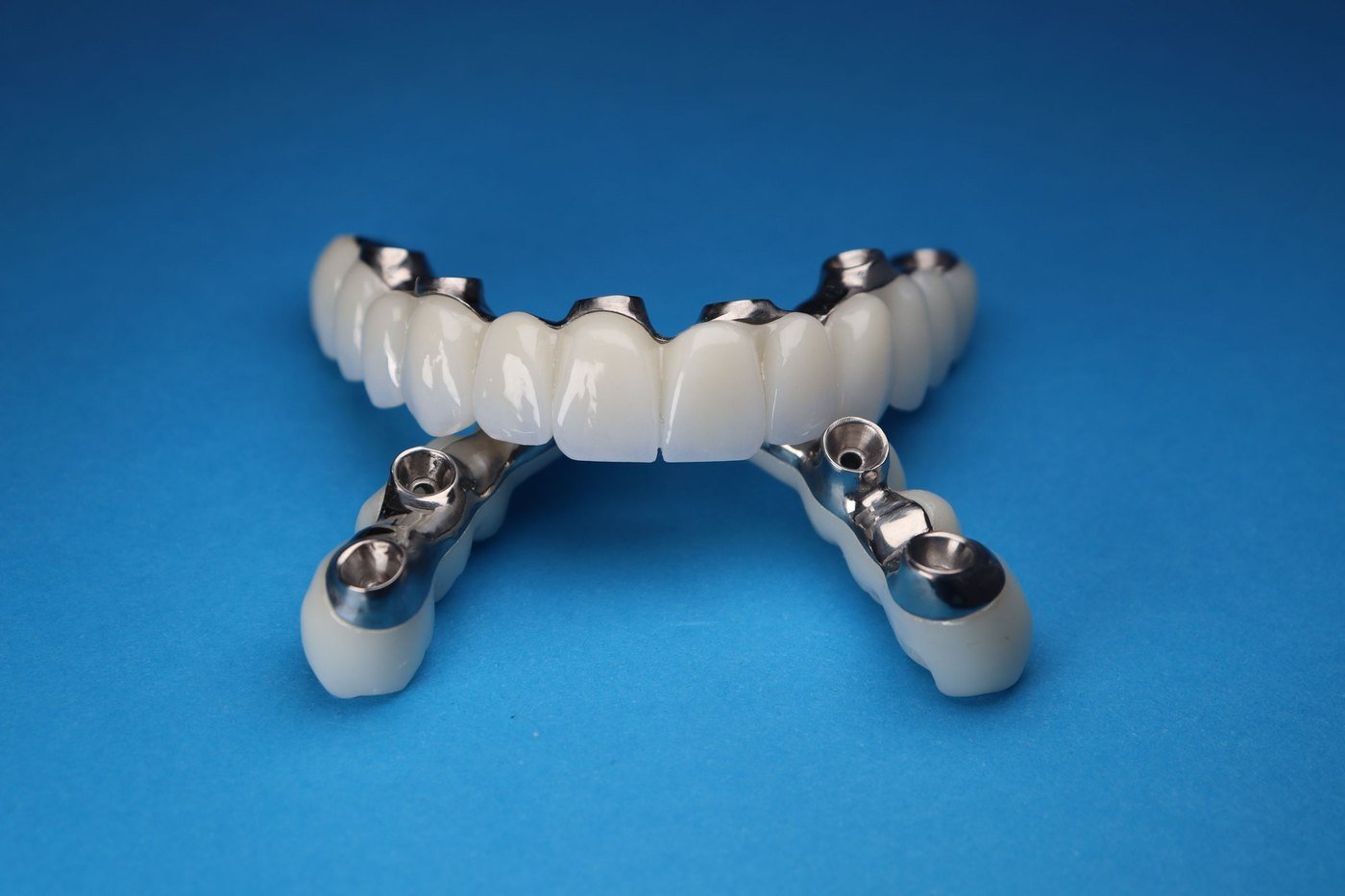
Implant-Supported Dentures
Many patients experience difficulties with conventional dentures, particularly when they become loose during speaking or eating.
Implant-supported dentures use strategically placed implants to improve retention and stability.
They may be particularly useful for patients who have experienced significant jawbone changes following tooth loss.
Your dentist can explain whether a removable or fixed implant-supported restoration is more appropriate.
Have You Been Told That You Cannot Have Dental Implants Because of Bone Loss?
Insufficient jawbone is one of the most frequently discussed concerns among patients considering dental implant treatment.
When a natural tooth is lost, the surrounding jawbone may gradually reduce in volume because it no longer receives normal functional stimulation.
This can make conventional implant placement more challenging.
However, a lack of sufficient bone for a conventional implant does not necessarily mean that implant treatment is impossible.
Depending on your anatomy and clinical condition, your implant treatment plan may include:
Bone Grafting
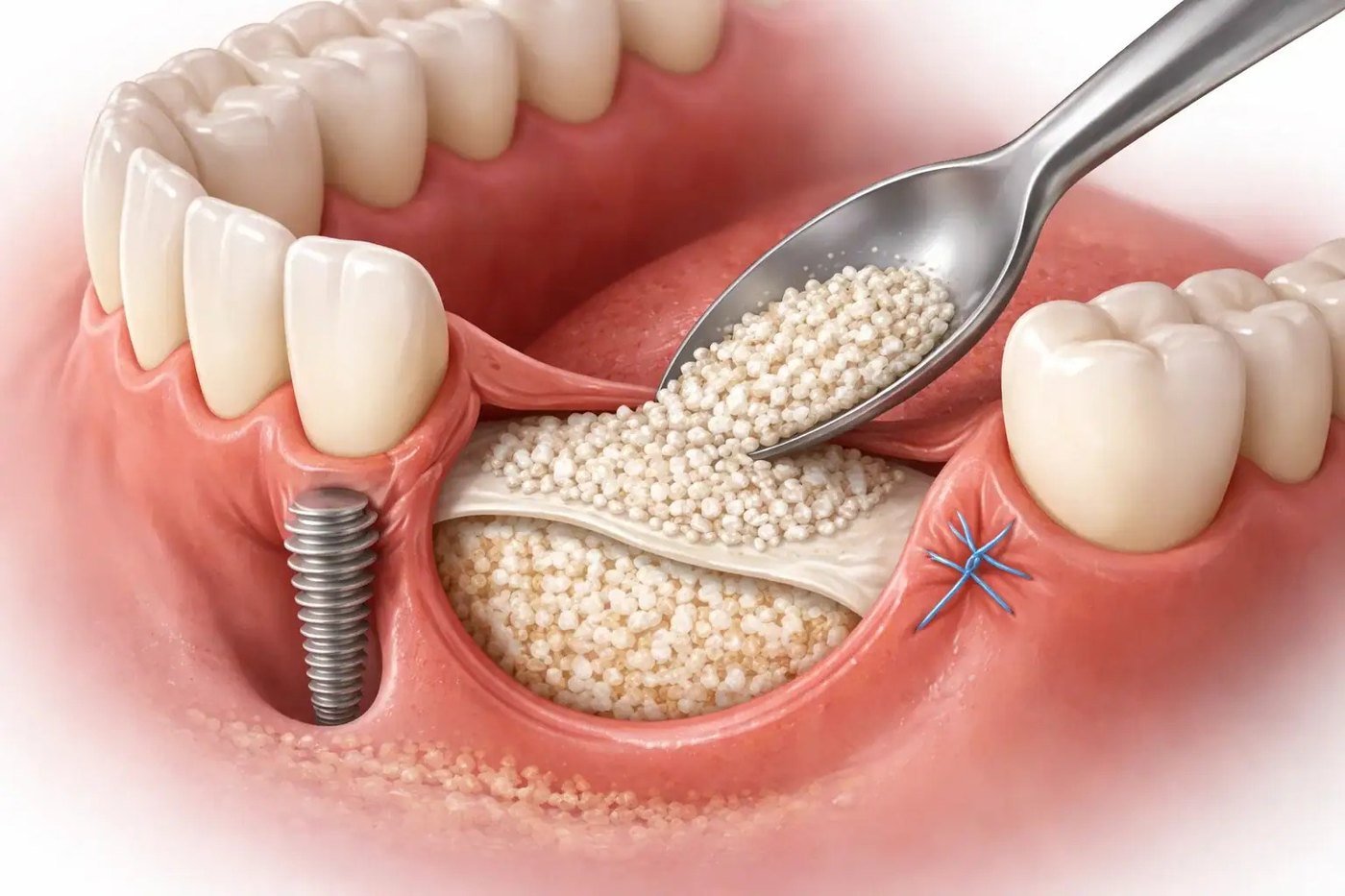
Bone grafting aims to increase the volume of available bone so that an implant can be placed in an appropriate position.
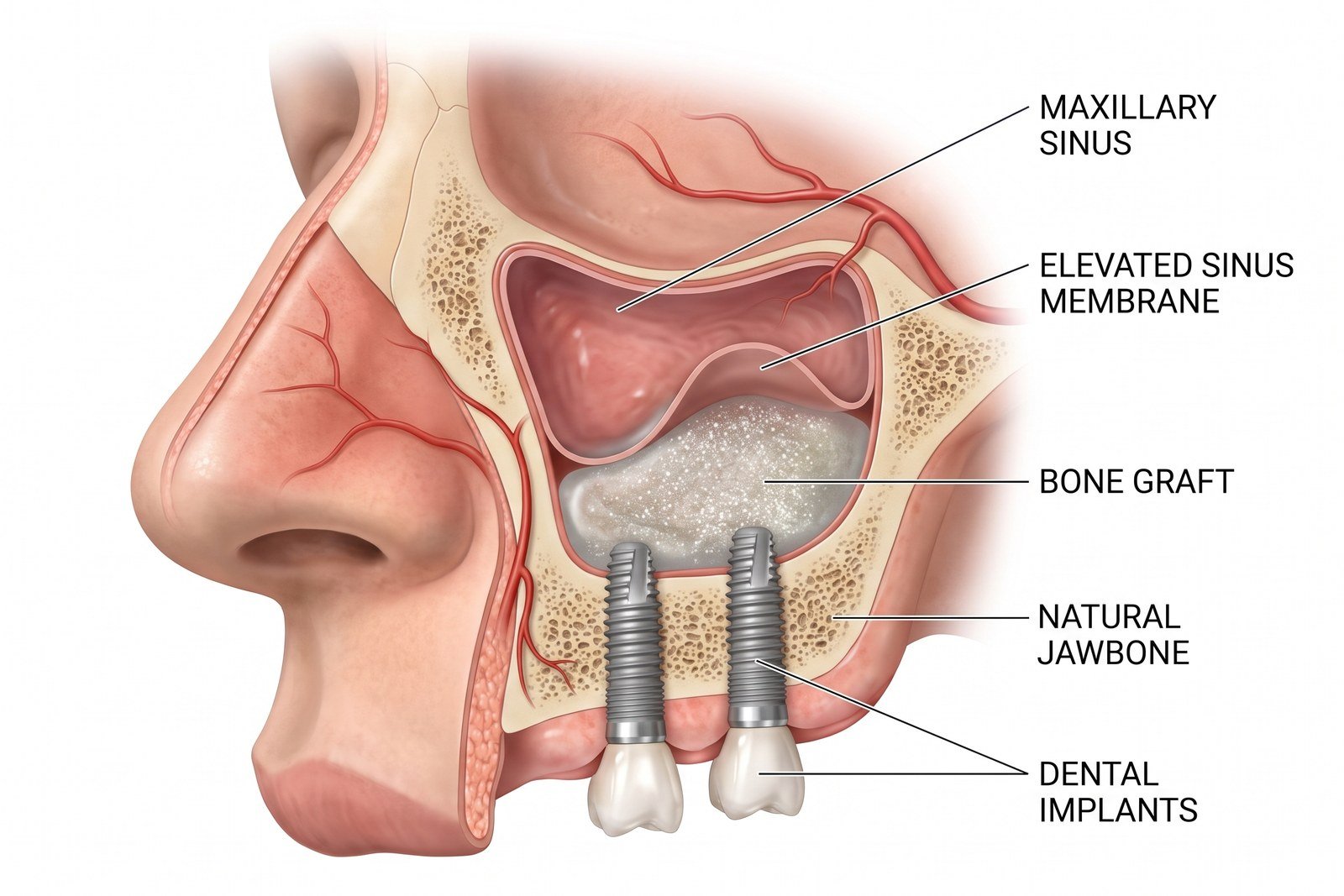
Sinus Lift Surgery
In certain upper-jaw cases, the maxillary sinus may limit the available bone height. Sinus augmentation can help create additional bone support where clinically indicated.
Guided Bone Regeneration
This technique uses selected grafting materials and membranes to support bone regeneration in areas where bone volume is deficient.
Alternative Implant Approaches
In carefully selected cases, alternative implant positioning and advanced implant rehabilitation techniques may be considered to work around anatomical limitations.
Who Is a Suitable Candidate for Dental Implants?
Dental implants may be considered for adults who have lost one or more teeth and wish to restore their dental function.
Your suitability depends on several important factors:
1. Jawbone quality and quantity
The jawbone must provide sufficient support for implant placement, or an appropriate additional procedure must be possible.
2. Healthy gums
Active gum disease needs to be treated and controlled before implant surgery.
3. General health
Medical conditions, medication use and healing capacity must be reviewed.
4. Smoking habits
Smoking can increase the risk of implant complications and delayed healing.
5. Oral hygiene
Patients must be willing to maintain good oral hygiene and attend regular dental reviews.
A comprehensive clinical assessment is the most reliable way to determine whether dental implants are suitable for you.
What Happens During Dental Implant Treatment?
Dental implant treatment is a carefully planned process. Depending on the case, it may involve several stages.
- 1
Stage 1
Initial Consultation
Your dentist examines your mouth, evaluates your missing teeth and discusses your expectations.
Your medical and dental history is reviewed to identify any factors that may affect treatment.
- 2
Stage 2
Diagnostic Assessment
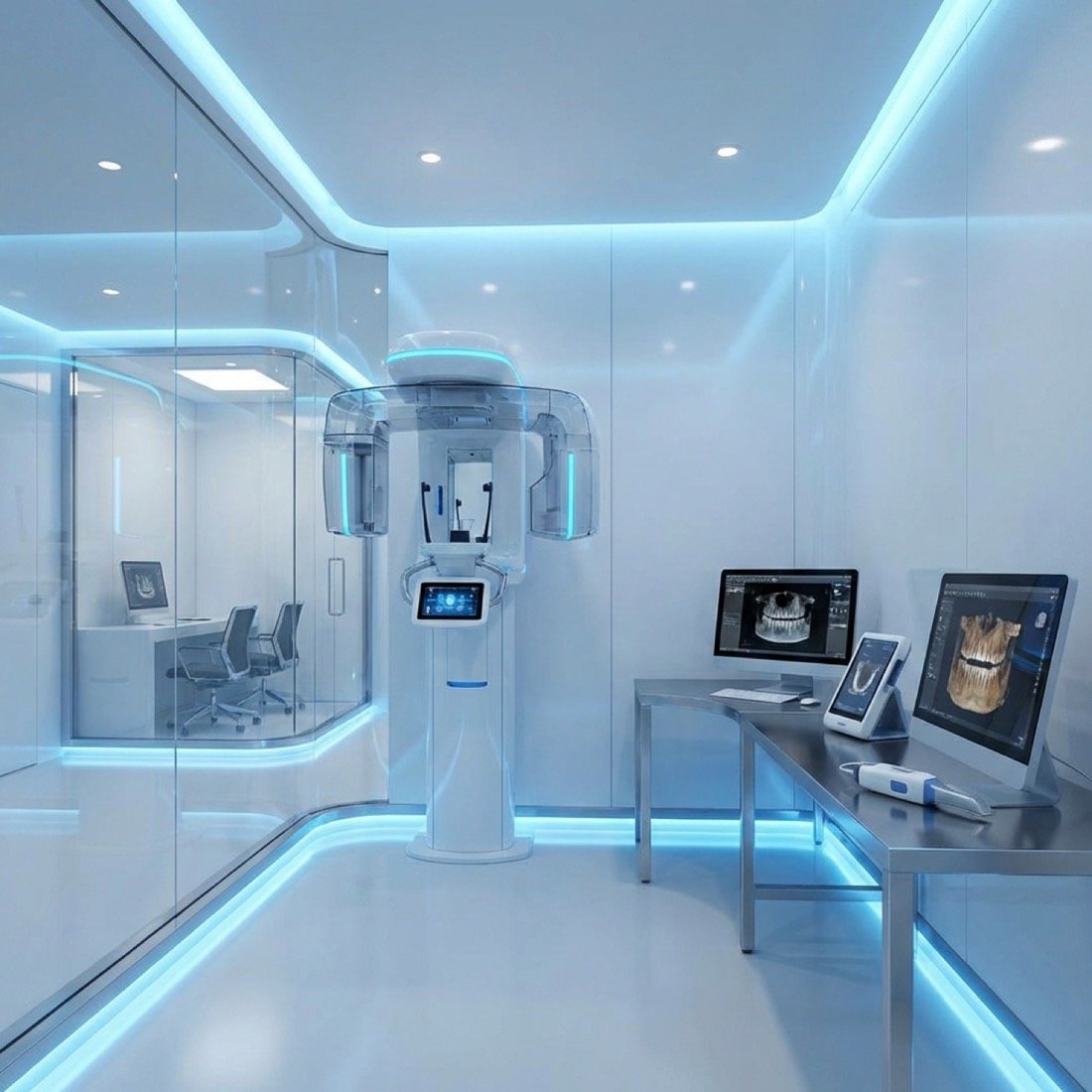
Appropriate X-rays and, where indicated, 3D imaging are used to evaluate bone dimensions and anatomical structures.
This helps determine the proposed implant position and whether additional procedures are required.
- 3
Stage 3
Implant Surgery
The implant fixture is placed into the jawbone under appropriate anaesthesia.
The complexity of surgery depends on the number of implants and the patient's anatomical condition.
- 4
Stage 4
Healing Period
The implant requires time to integrate with the jawbone.
During this period, temporary teeth may be considered depending on the stability of the implant and the treatment design.
- 5
Stage 5
Final Crown or Dental Prosthesis
Once the implant has adequately integrated, the final restoration is fitted and adjusted to achieve appropriate function and appearance.
Your dentist will also explain how to clean and maintain your new implant-supported teeth.

How Long Does Dental Implant Treatment Take?
There is no single treatment timeline that applies to everyone.
Straightforward cases may require fewer stages, while patients needing bone grafting, sinus augmentation or full-mouth rehabilitation may require a longer treatment period.
Factors influencing treatment duration include:
- The number of missing teeth
- Available jawbone
- Gum health
- Whether additional surgery is required
- Implant stability
- Individual healing response
Your proposed treatment timeline will be discussed following examination and diagnostic assessment.
Is Dental Implant Surgery Safe?
Dental implant treatment is an established form of tooth replacement, but it is still a surgical procedure and carries potential risks.
Possible complications include infection, delayed healing, failure of the implant to integrate with the bone, nerve-related injury and sinus-related complications in certain upper-jaw cases.
Careful assessment, appropriate surgical planning, informed consent and post-operative monitoring are important for reducing and managing these risks.
Dental Implants vs Dental Bridges vs Dentures
Choosing the right replacement option is an important decision.
Swipe sideways to see all columns.
| Feature | Dental Implants | Dental Bridges | Conventional Dentures |
|---|---|---|---|
| Fixed replacement | Yes, with fixed restorations | Yes | No |
| Requires surgery | Yes | Usually no | No |
| Involves neighbouring teeth | Usually not for individual implants | Often | Usually not |
| Removable by patient | Depends on design | No | Yes |
| Bone support | Implant transfers functional load | No direct implant support | No direct implant support |
There is no universally best option. The appropriate treatment depends on your oral health, available teeth, jawbone and personal preferences.
How Much Do Dental Implants Cost in Al Nahda, Dubai?
The cost of dental implants varies depending on the treatment requirements.
A single-tooth implant is different from a multiple-tooth restoration or complete full-mouth rehabilitation.
Factors that influence the price include:
- Implant brand and system.
- Number of implants required.
- Type of crown or prosthesis.
- Complexity of surgery.
- Need for bone grafting or sinus lift.
- Additional investigations and follow-up treatment.
At Noor Al Salam Polyclinic, we recommend that patients understand the complete proposed treatment plan, including the implant fixture, abutment, final restoration and any additional procedures.
This allows you to compare treatment options based on the complete clinical solution rather than simply the advertised price of an implant fixture.
Maintaining Your Dental Implants After Treatment
Dental implants require ongoing professional care.
Although implants cannot develop tooth decay, the gums and bone surrounding them can become inflamed or infected.
To maintain your implants:
- Brush twice daily.
- Clean between teeth and around implant restorations.
- Attend routine dental check-ups.
- Have professional cleaning as recommended.
- Avoid smoking.
- Seek professional advice if you experience swelling, bleeding, discomfort or implant mobility.
Regular maintenance is essential to help protect your investment in your oral health.
Frequently Asked Questions – Dental Implants in Dubai
01How long do dental implants last?
Dental implants can provide long-term tooth replacement, often for many years. Their longevity depends on oral hygiene, bone and gum health, general health, smoking habits and professional maintenance.
02Can I have dental implants if I have been missing teeth for a long time?
Yes, potentially. Long-standing tooth loss may result in bone resorption, but several treatment approaches can be considered depending on the remaining bone.
03Can dental implants replace all my teeth?
Yes. Full-arch implant-supported restorations can replace most or all teeth in selected patients.
04Do dental implants look natural?
Implant-supported crowns and bridges can be designed to complement the colour, shape and proportions of your natural teeth.
05Can I eat normally after dental implant treatment?
Once healing is complete and the final restoration has been fitted, most patients can return to a normal diet, subject to their dentist's advice.
06Are dental implants suitable for older patients?
Age alone is not a determining factor. General health, bone condition, healing capacity and oral hygiene are more important considerations.
07Can I have dental implants if I have diabetes?
Patients with well-controlled diabetes may be suitable. Uncontrolled diabetes can increase healing and infection risks and requires careful evaluation.
08What if I have gum disease?
Active gum disease should be treated and stabilised before implant placement. Patients with a history of gum disease may still be suitable, but require appropriate assessment and maintenance.
09Can I have implants if I have very little jawbone?
Possibly. Bone grafting, sinus augmentation and selected alternative approaches may be considered. The available options depend on the anatomical findings.
10Is dental implant treatment better than dentures?
Implants offer fixed or more stable tooth replacement options, whereas conventional dentures are removable and do not require surgery. The best choice depends on your needs and clinical condition.
Looking for Dental Implants Near You in Al Nahda, Dubai?
Choosing the right dental implant treatment begins with a proper understanding of your oral health and available treatment options.
Whether you need one missing tooth replaced, several teeth restored or a complete full-mouth implant rehabilitation, our team at Noor Al Salam Polyclinic can help you explore an appropriate treatment pathway.
Visit us for a dental implant consultation and take the first step towards restoring your smile.